Gambling Addiction Help Ireland
Are You Struggling With Gambling Addiction? If gambling, sports betting, online casinos, gambling apps or repeated financial losses are beginning to control your life, confidential specialist support is available.
GET CONFIDENTIAL SUPPORT
Gambling Addiction Is About More Than Money
One of the biggest misconceptions about gambling addiction is that the problem is simply financial.
I WANT MY CONFIDENTIAL ASSESSMENT
You Don’t Have to Keep Living Like This
You may have tried to stop gambling many times.
BOOK YOUR CONFIDENTIAL ASSESSMENT

GAMBLINGADDICTION.IE

If gambling, sports betting, online casinos, gambling apps or repeated financial losses are beginning to control your life, confidential specialist support is available.

Perhaps you have promised yourself that you would stop.

Perhaps you have deleted the apps, closed accounts or told yourself that the next bet would be your last.

And yet you find yourself gambling again.

Gambling addiction can affect your finances, relationships, work, confidence and emotional wellbeing. It can create secrecy, anxiety and enormous pressure.

But gambling addiction can be treated.

Recovery is possible.

Regain Control. Rebuild Trust. Recover Your Life.

Break Free From Gambling Addiction and Take Back Your Life

Do you feel trapped in a cycle of gambling?

Have you tried to stop gambling but repeatedly found yourself returning?

Are you chasing money you have already lost?

Are you hiding gambling from your partner or family?

Are you constantly thinking about the next bet?

Has gambling started affecting your finances, relationship, work or mental wellbeing?

Problem gambling can gradually move from entertainment into a compulsive behavioural pattern.

A person may begin gambling occasionally but eventually find themselves organising increasing parts of their life around gambling opportunities.

You can change the pattern.

Recovery involves understanding not simply that you gamble, but why gambling has become so powerful and what keeps the cycle going.

Gambling Addiction Is About More Than Money

One of the biggest misconceptions about gambling addiction is that the problem is simply financial.

Money is certainly important.

But the psychological process can be much deeper.

Gambling may provide; 

Eventually, the brain can begin associating gambling with emotional relief and reward.

That is why simply telling someone to “stop gambling” is often insufficient.

Successful gambling addiction recovery involves understanding the psychological, behavioural, emotional and relational systems surrounding the gambling.

Excitement.

Escape.

Anticipation.

Hope.

Relief from boredom.

Temporary relief from stress.

A feeling of possibility.

Or an opportunity to mentally escape from difficult emotions.

The Gambling Cycle

Many people become trapped in a repeating cycle:

Trigger → Urge → Gambling → Excitement → Loss → Chasing → Stress → Shame → Promise to Stop → Trigger → Gambling Again

At first, gambling may feel exciting.

Then losses occur.

Instead of stopping, the person may begin thinking:

“I can win it back.”

This is known as chasing losses.

The desire to recover previous losses can produce increasingly risky decisions.

The gambler is no longer simply trying to win.

They may be trying desperately to undo what has already happened.

That can deepen the cycle.

Common Signs of Gambling Addiction

You may have a gambling problem if you recognise several of the following:

Gambling more money than you intended

Gambling for longer than you planned

Repeated unsuccessful attempts to stop gambling

Chasing gambling losses

Thinking constantly about gambling

Increasing the size or frequency of bets

Hiding gambling from your partner or family

Lying about how much money you have lost

Borrowing money to gamble

Using credit cards, loans or savings for gambling

Gambling money intended for bills or household expenses

Feeling restless or irritable when trying to stop

Gambling when stressed, lonely, angry or upset

Believing one large win will solve your financial problems

Returning quickly after losing

Experiencing relationship conflict because of gambling

Allowing gambling to interfere with work or family responsibilities

Feeling guilt, anxiety or shame after gambling

Closing accounts and later opening new ones

Feeling that gambling has become increasingly difficult to control

Recognising these patterns does not automatically establish a diagnosis.

But if several apply to you, seeking a professional assessment may be an important next step.

Online Gambling Has Changed the Nature of Gambling Addiction

Gambling no longer requires visiting a betting shop or casino.

A casino, sportsbook or betting exchange can effectively sit inside a person’s pocket.

Online gambling can provide rapid access to:

Sports betting In-play betting Online casinos Slots Poker Virtual sports Lottery products Betting exchanges Casino games

The availability and speed of digital gambling can make boundaries particularly difficult for some people.

There is no journey to the bookmaker.

No closing time in the traditional sense.

And less opportunity for another person to notice what is happening.

For someone vulnerable to problem gambling, this accessibility can make gambling increasingly difficult to control.

Gambling, Dopamine and the Brain

Gambling activates systems involved in reward, anticipation, learning and motivation.

Importantly, gambling is not psychologically powerful only when someone wins.

The uncertainty surrounding whether a reward will occur can itself create intense anticipation.

Over time, gambling-related cues can become strongly associated with the expectation of reward.

These cues might include:

A person can therefore experience a powerful urge before consciously deciding to gamble.

Therapy can help clients recognise these patterns and develop new responses.

A football match.

A racing programme.

A gambling advertisement.

A betting app.

Receiving wages.

Being home alone.

Watching sport.

Feeling stressed.

Even seeing betting odds.

Chasing Losses

One of the most dangerous features of gambling addiction is the attempt to win back previously lost money.

Imagine losing €200.

The mind says:

“One good bet and I can get it back.”

Another €200 is lost.

Now the person may feel they need to win €400.

The financial problem becomes progressively larger while the psychological pressure to continue gambling increases.

The goal changes from entertainment to financial rescue.

But gambling is not a reliable solution to gambling debt.

Learning to accept previous losses rather than chase them can become an important part of recovery.

How Gambling Addiction Can Affect Relationships

Gambling rarely affects only the gambler.

Partners may discover:

The emotional consequences can be enormous.

Partners may experience anger, fear, betrayal, confusion and uncertainty about whether they can trust what they are being told.

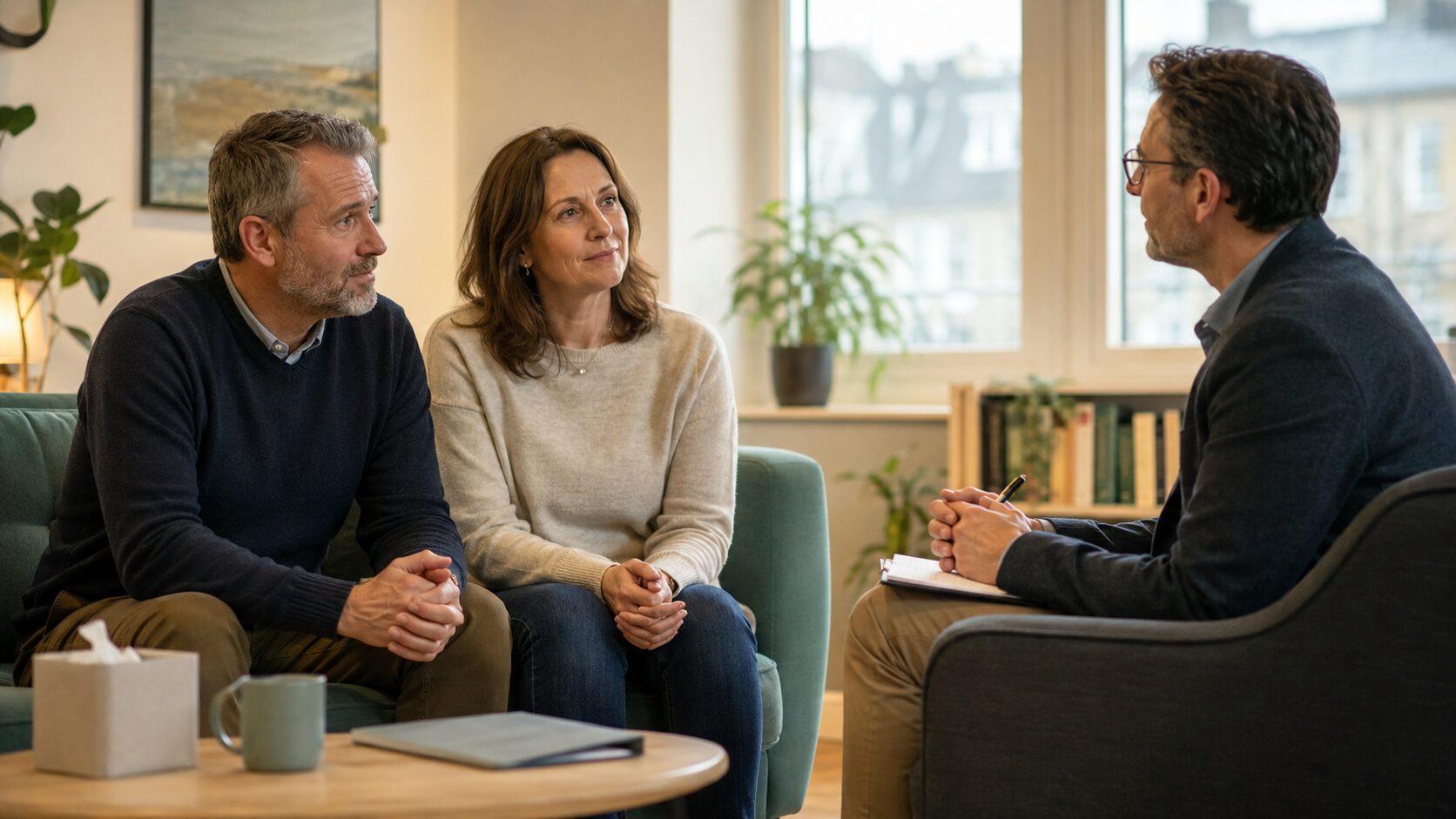
David works with individuals and couples to help address both the gambling behaviour and its impact on relationships.

Secret accounts.

Unexpected debts.

Loans.

Missing savings.

Unpaid bills.

Hidden transactions.

Repeated lies.

Broken promises.

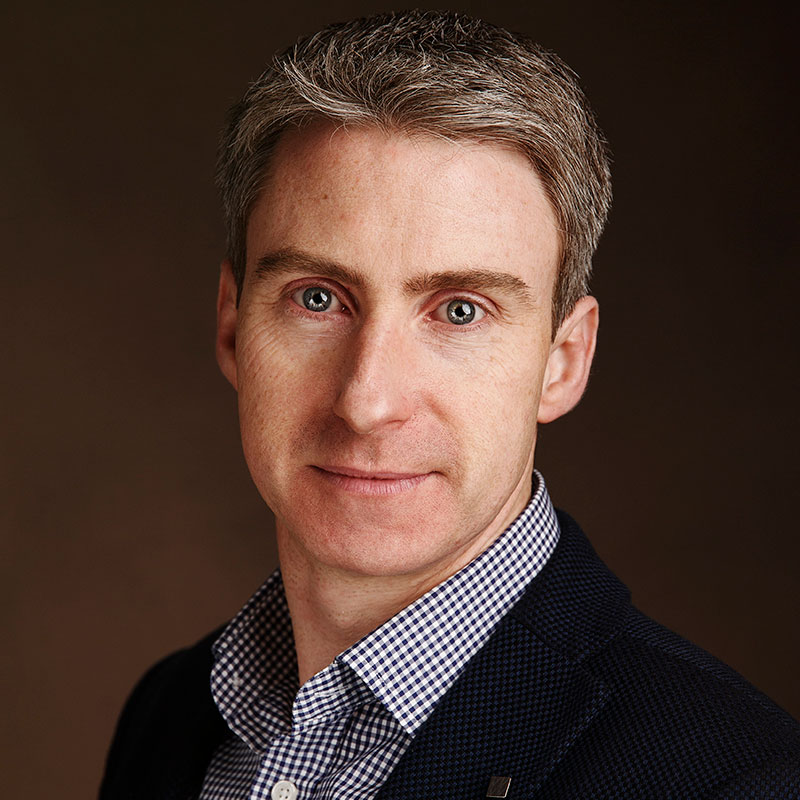
David Kavanagh

Systemic Family Therapist

David Kavanagh is a registered Systemic Family Therapist with extensive experience helping individuals and couples affected by addictive and compulsive behaviours.

His therapeutic approach considers the person rather than simply focusing on the gambling.

This can include exploring:

Gambling triggers

Emotional regulation

Stress

Relationships

Family dynamics

Shame and secrecy

Habitual patterns

Impulsivity

Financial triggers

Coping mechanisms

Relapse prevention

Rebuilding trust

Sessions are available in Dublin and online throughout Ireland.

How Therapy Can Help With Gambling Addiction

Recovery is rarely about willpower alone.

David helps clients learn to:

Understand Gambling Triggers

Identify the situations, emotions and thoughts associated with gambling urges.

Interrupt Automatic Behaviour

Create space between an urge and the decision to gamble.

Manage Difficult Emotions

Develop alternatives for coping with stress, loneliness, anxiety, anger or boredom.

Challenge Gambling Thinking

Examine beliefs about luck, probability, winning, losses and “getting even”.

Introduce Practical Barriers

Develop strategies that make impulsive gambling more difficult.

Repair Relationships

Address secrecy, damaged trust and communication problems.

Develop Relapse-Prevention Strategies

Prepare for high-risk situations before they occur.

Gambling Addiction Help Dublin & Ireland

Specialist support is available for:


📍 Dublin

📱 Confidential enquiries available by WhatsApp: 086 898 9086

Individuals struggling with gambling

Partners of people who gamble

Couples affected by gambling

Families affected by problem gambling

Online clients throughout Ireland

10 Questions to Help Identify a Gambling Problem

Ask yourself:

1.

Do you regularly gamble more money or spend more time gambling than you originally intended?

2.

Have you repeatedly tried to reduce or stop gambling without succeeding?

3.

Do you chase your losses because you believe another bet could win the money back?

4.

Do you hide gambling activity, losses or debts from your partner or family?

5.

Do you frequently think about gambling, odds, previous bets or future opportunities to gamble?

6.

Have you borrowed money, used credit or spent money intended for essential expenses because of gambling?

7.

Do you gamble when you feel stressed, anxious, lonely, bored, angry or emotionally overwhelmed?

8.

Has gambling damaged your relationship, work, finances or emotional wellbeing?

9.

Do you become restless, frustrated or irritable when attempting to reduce your gambling?

10.

Despite experiencing serious negative consequences, do you continue gambling?

If you answer yes to several of these questions, it may be worth obtaining professional advice.

You Don’t Have to Keep Living Like This

You may have tried to stop gambling many times.

That does not mean recovery is impossible.

Understanding the pattern is the beginning of changing it.

Regain control. Repair the damage. Rebuild your life.

WhatsApp David: 086 898 9086

Dublin appointments and online gambling addiction counselling throughout Ireland.