
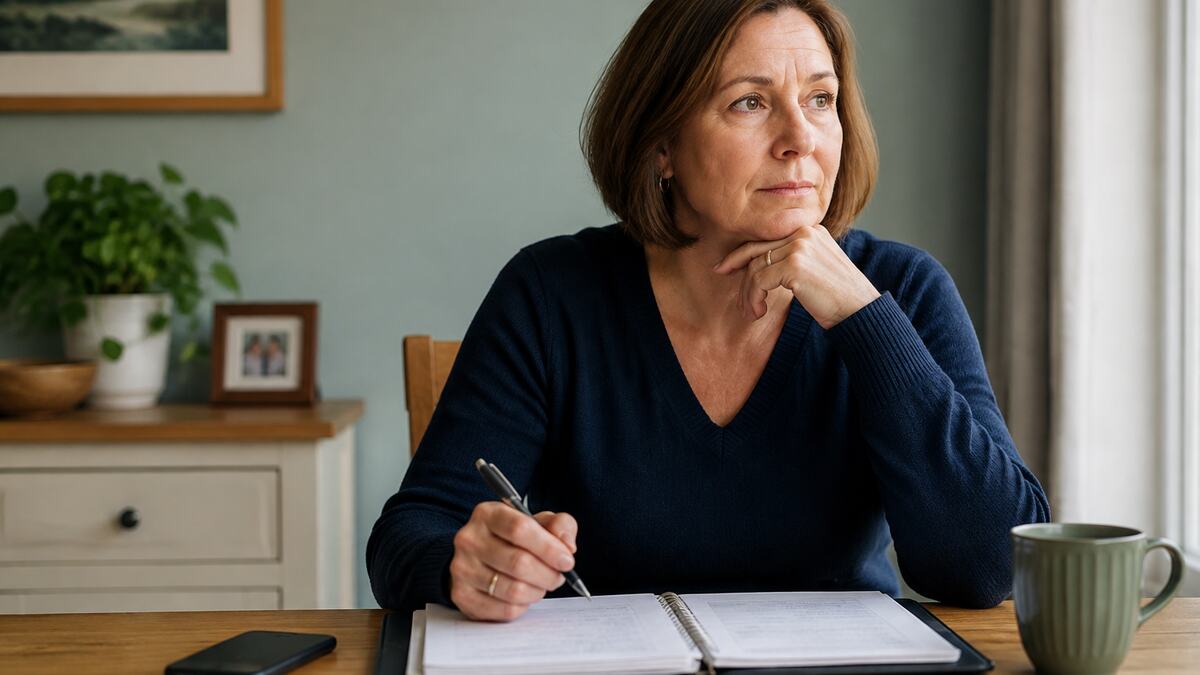
If you have discovered that your husband is gambling, you may feel shocked, furious, frightened or unsure what is true. There may be visible losses, or you may only have fragments of information and a sense that something is being hidden.
You do not need to make every decision about the relationship immediately. Begin by protecting safety and establishing the facts.
Secure household essentials
Check rent or mortgage payments, utilities, food, childcare and insurance. Review joint accounts, cards, overdrafts and savings. Consider temporarily separating access to money if essential funds are at risk.
Do not assume the first disclosure is complete
People experiencing shame often reveal information gradually. Ask for a full list of gambling accounts, bank accounts, cards, loans and money owed to family or friends. A credit report and recent statements may help clarify the position.
This is not about conducting an endless investigation. It is about making informed decisions based on reality.
Have a focused conversation
Choose a time without children present and avoid beginning during an argument or immediately after a bet. State what you know and what you need next.
You might say: “I need us to deal with the gambling honestly. I need full financial information and a practical treatment plan, not another promise.”
Look for action rather than reassurance
Meaningful early actions include contacting a therapist or support service, self-excluding from operators, activating bank blocks, installing blocking software and agreeing transparent financial safeguards.
Avoid taking on new debt without advice
It can feel urgent to clear gambling debts to protect the family. Before using savings, taking a loan or borrowing from relatives, contact MABS or another qualified debt adviser. Moving debt can make the situation less visible without making it more manageable.
Decide your boundaries
You cannot guarantee that another adult will stop gambling. You can decide what access they have to shared money, what information you require and what you will do if secrecy or gambling continues.
Seek support even if he refuses
You do not have to wait for your husband to agree that there is a problem. Therapy can help you process what has happened, reduce isolation and plan your next steps. Couples work may become appropriate when there is enough honesty and safety to begin.
Respond urgently to suicidal thoughts
Gambling debt and disclosure can be associated with intense despair. If he talks about suicide, has a plan or appears to be in immediate danger, call 112 or 999. Samaritans is available at any time on 116 123.