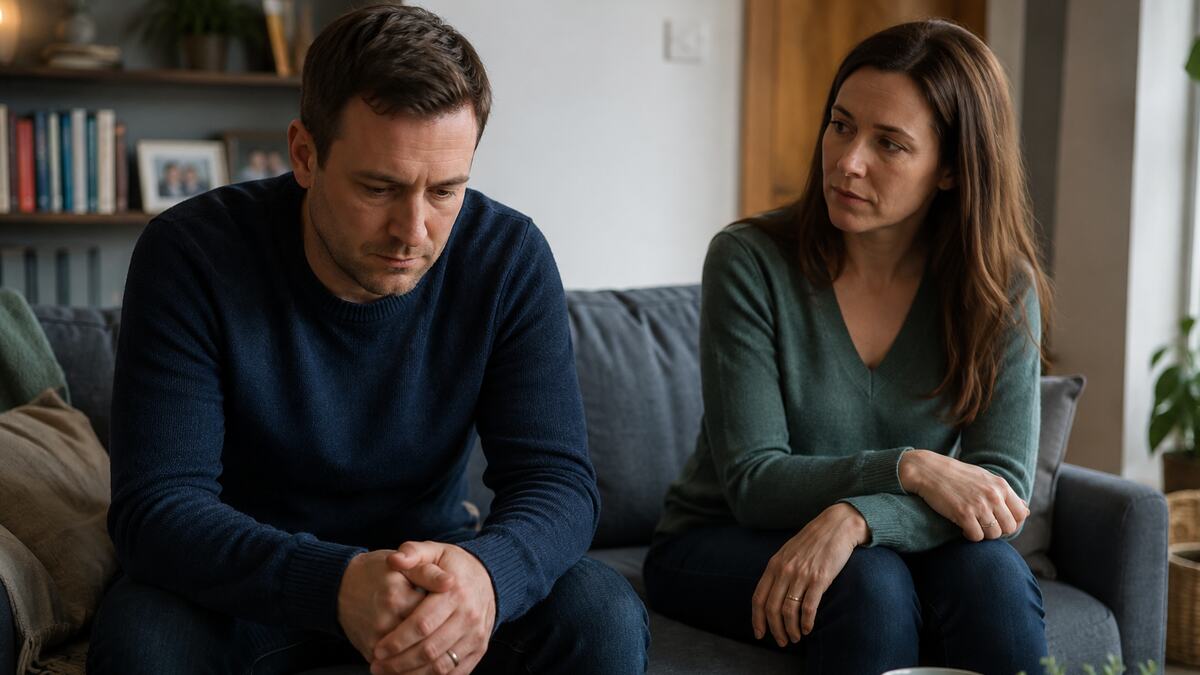
Gambling addiction affects more than the person placing bets. Partners and families may live with financial uncertainty, secrecy, broken promises and repeated cycles of hope and disappointment.
The harm is not measured only by the final debt. It is also experienced through what happens to trust, communication and emotional safety.
Secrecy changes the relationship
Gambling may be hidden through deleted messages, unexplained withdrawals, secret loans or incomplete accounts of what happened. The partner may sense that something is wrong but be unable to confirm it. This can produce constant vigilance and self-doubt.
Promises lose their meaning
A person may sincerely promise to stop after a loss or confrontation. When gambling returns without a practical recovery plan, the partner may hear each new promise as another attempt to end the conversation rather than evidence of change.
Money stops feeling safe
Joint savings, bill money, credit and future plans may all be affected. Even after gambling stops, the partner may remain afraid that another account or debt will be discovered. Clear financial disclosure and agreed safeguards are often essential.
Emotional and physical intimacy can decline
Preoccupation with gambling can make a person emotionally absent. Shame may lead them to withdraw, while the partner may feel angry, rejected or unsafe. Intimacy is difficult when one person feels they must monitor the other.
Family roles can become distorted
The non-gambling partner may take responsibility for finances, explanations, childcare and crisis management. They can become a monitor or rescuer rather than an equal partner. Children may notice conflict or tension even when the gambling itself is concealed.
Rebuilding trust requires evidence over time
Trust cannot be demanded immediately after disclosure. It is rebuilt through consistent actions: full financial honesty, treatment attendance, functioning blocks, openness about urges and a willingness to hear the partner’s experience without becoming defensive.
Couples therapy can help organise the repair
Couples therapy is not a way to force forgiveness or guarantee that a relationship will continue. It provides a structured space to understand the impact, establish boundaries, improve communication and decide what each person needs.
Gambling-related harm can severely affect partners and families. Affected family members may need support in their own right, regardless of whether the person gambling is ready to seek help.