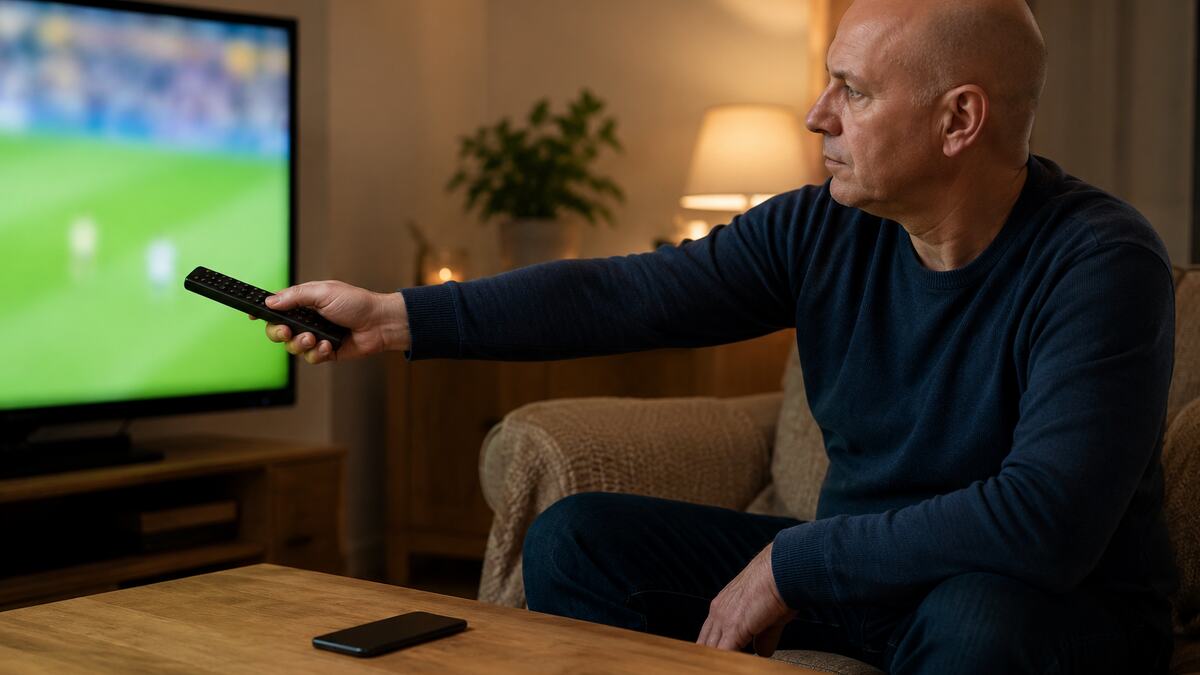
Sports betting is often woven into conversations, advertising and the experience of watching a match. Because it appears normal and socially accepted, harmful betting can remain hidden for a long time.
Knowledge of a sport can also create a strong sense of control. You may understand teams, players and form, but no amount of knowledge removes uncertainty or guarantees a profitable outcome.
You cannot enjoy sport without a bet
A match that once mattered for its own sake may begin to feel flat unless money is involved. You may bet on unfamiliar leagues, lower-level competitions or events you would not otherwise watch simply to maintain excitement.
You place more in-play bets than planned
In-play betting can turn one planned wager into dozens of decisions. Changing odds and time-limited markets encourage urgency. You may stop considering the overall amount spent because attention is fixed on the next opportunity.
Accumulators create repeated hope
Accumulator bets can offer the possibility of a large return from a small stake. When one selection loses, the near miss may strengthen the belief that the next accumulator will succeed. Near misses are not evidence that a win is becoming more likely.
You chase after a bad result
A late goal, referee decision or unexpected performance can feel unfair. That emotional reaction may lead to immediate betting on another event to “correct” the result. This is chasing, even when the next bet is on a different sport or market.
Your mood depends on results
Partners may notice irritability, withdrawal or anxiety while events are taking place. Winning may create temporary relief rather than enjoyment, while losing may lead to anger, panic or secrecy.
You hide the true level of betting
You may disclose a few bets while hiding others, describe turnover as winnings, use several accounts or avoid showing bank statements. Partial disclosure can make it difficult for both you and your partner to understand the actual risk.
How to interrupt the pattern
- Self-exclude from every betting account, not only the account used most often.
- Install blocking software on phones, tablets and computers.
- Activate a bank gambling block where available.
- Unfollow tipping accounts and remove betting-related notifications.
- Consider taking a break from live sport while early urges remain strong.
- Speak with a therapist about the emotional and social role betting has developed.
Recovery does not require you to stop caring about sport forever. It may require a period of distance while you rebuild the ability to watch without gambling.