Discovering that a partner has been gambling can create panic, anger and a powerful urge to take control of everything immediately. Some urgent protections may be necessary, but long-term recovery cannot depend on one partner constantly policing the other.
Protect essential finances first
Check that rent or mortgage payments, utilities, food and other essentials are secure. Review joint accounts, credit facilities and access to savings. If you are unsure about debt, MABS provides free and confidential money advice in Ireland.
Financial protection is not punishment. It reduces immediate harm while a fuller plan is developed.
Ask for facts rather than repeated promises
Promises to stop may be sincere but are not a recovery plan. Ask what practical action will happen: self-exclusion, bank blocks, therapy, disclosure of debts and removal of gambling access.
Use calm, direct communication
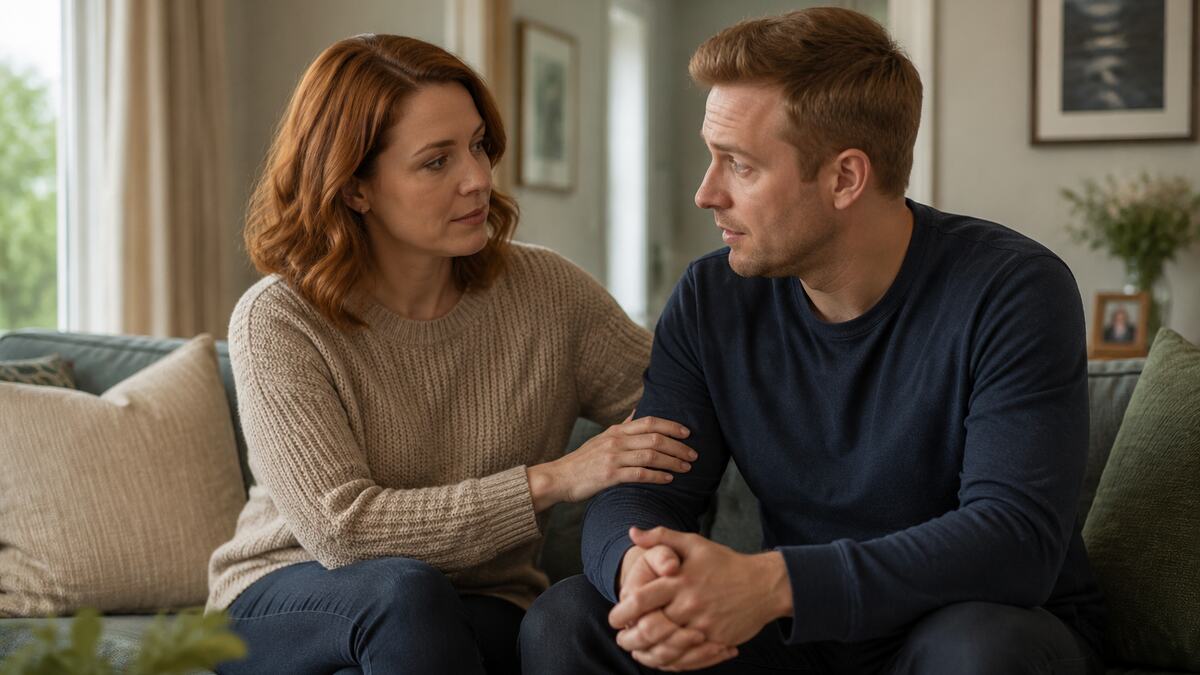
Choose a time when neither person is in the middle of a gambling episode or heated argument. Describe observable facts and their impact. For example: “The missed payments and hidden accounts mean I no longer feel financially safe.”
Avoid long debates about whether a particular bet was reasonable. Focus on the overall pattern.
Set boundaries you can maintain
A boundary describes what you will do to protect yourself. It is different from trying to control every action your partner takes. Examples might include separating finances, refusing to provide money for gambling debts or requiring full financial disclosure before rebuilding joint access.
Do not repeatedly rescue gambling losses
Paying debts without a wider plan can unintentionally remove the immediate consequences while leaving the gambling cycle unchanged. Seek debt advice before borrowing, remortgaging or using your own savings.
Encourage treatment without taking ownership of it
You can provide information, attend an agreed appointment or support practical barriers. Your partner still needs to participate honestly and take responsibility for recovery.
Get support for yourself
You are entitled to help even if your partner refuses treatment. Individual or couples therapy can help you process shock, decide on boundaries and understand the difference between support and over-responsibility.
Affected family members can benefit from help with distress, self-care, boundaries and non-judgemental communication, even if the person gambling is not yet ready for treatment.
Take threats or despair seriously
Disclosure of debts or gambling can trigger intense shame. If your partner talks about suicide, self-harm or feeling that others would be better off without them, seek urgent help. Do not manage this alone.